
Master Your Skincare: Build a Routine That Works
Discover the science-backed components and strategies that form the foundation of an effective skincare routine. Learn how to layer products, select the right ingredients, and support your skin's health from within and without.
The 4-Step Foundation
Cleanse
Remove impurities, oil, and makeup with a gentle cleanser suited to your skin type. This essential first step prepares your skin to receive the benefits of subsequent products.
Tone & Treat
Apply targeted treatments like toners or essences to address specific concerns. This step helps balance pH and delivers active ingredients for enhanced efficacy.
Moisturize
Hydrate and nourish with a moisturizer appropriate for your skin type. Lock in the benefits of previous steps while maintaining the skin barrier's integrity.
Protect
Apply sunscreen daily or use protective products to shield your skin from environmental stressors and photoaging. This step is crucial for long-term skin health.
Why Layering Matters in Skincare
Proper product layering is not merely a trend—it is a science-backed approach that maximizes the efficacy of each component in your routine. When products are applied in the correct sequence, lighter textures are used first, allowing deeper penetration of active ingredients.
Think of your skincare routine as building blocks. Each layer serves a distinct purpose: cleansing removes barriers to absorption, lightweight treatments penetrate deeply, moisturizers seal in hydration, and protective products shield against external damage. This strategic approach ensures that expensive serums and specialized treatments deliver their full benefit rather than sitting on the skin's surface.
- Ingredient synergy: Certain ingredients work better together, enhancing overall effectiveness.
- Improved absorption: Lighter products first allow actives to penetrate where they're needed most.
- Barrier support: Proper sequencing strengthens your skin's natural protective functions.
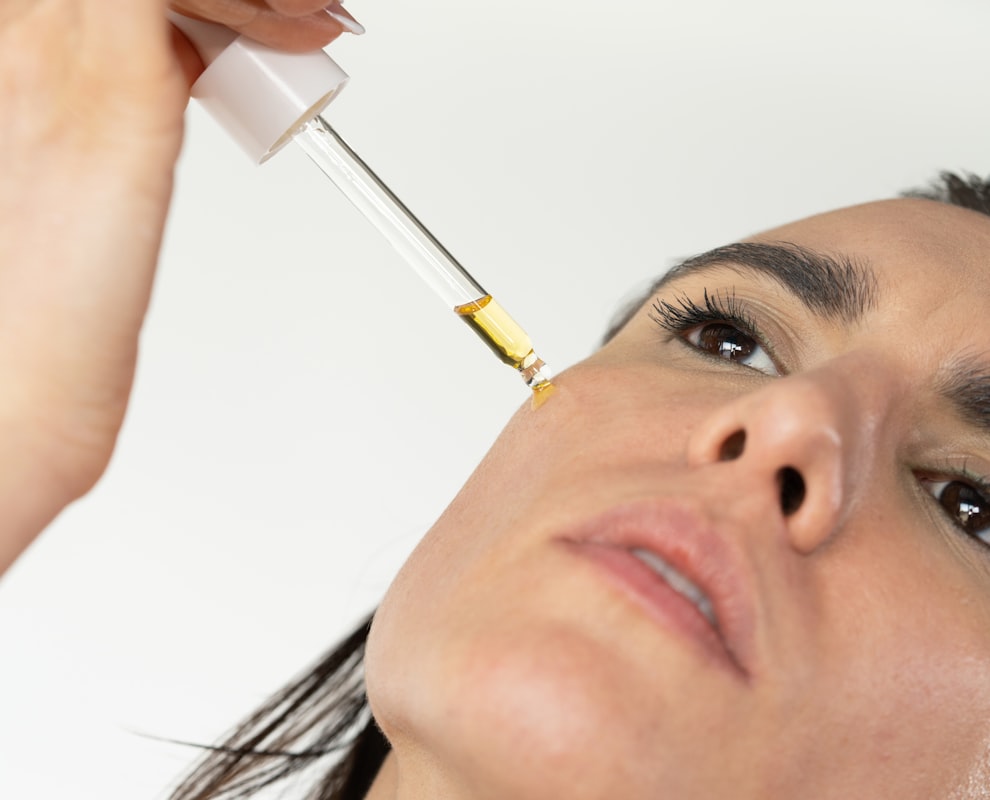
Essential Skincare Components
Hyaluronic Acid
This powerful humectant attracts and binds water molecules, delivering intense hydration to the skin. Hyaluronic acid benefits include plumped appearance, reduced fine lines visibility, and improved skin elasticity. It is suitable for all skin types, including sensitive and oily skin.
Discover benefits →Retinol for Face
A derivative of vitamin A, retinol promotes cellular turnover and collagen synthesis. Retinol for face applications supports skin renewal, reducing appearance of fine lines and promoting even texture. It's particularly valued for addressing photoaging concerns and supporting long-term skin health.
Learn more →Vitamin C for Skin
Vitamin C for skin is an essential antioxidant that brightens complexion and supports collagen production. It provides protection against environmental stressors and free radicals, helping maintain a radiant appearance. Regular use supports skin's natural defense mechanisms.
Explore article →Peptides in Skincare
Peptides are amino acid chains that support skin structure and elasticity. Peptides in skincare formulations encourage the skin's natural firming processes and promote a more youthful appearance. They work synergistically with other ingredients to enhance overall routine efficacy.
Read article →Antioxidants in Cosmetics
Antioxidants in cosmetics neutralize free radicals and environmental damage. These powerful components provide protection against photoaging, support skin renewal, and maintain a healthy complexion. Common antioxidants include vitamins E and C, green tea extract, and resveratrol.
Discover more →Skin Hydration Fundamentals
Skin hydration is the foundation of any effective routine. Well-hydrated skin appears plumper, more radiant, and resilient. Beyond topical products, supporting hydration through diet and lifestyle choices enhances overall skin health and supports the skin barrier's protective functions.
Read guide →Skin-Beneficial Ingredients Beyond Your Routine
Your skincare routine extends beyond topical products. Foods good for skin and nutritional support play a vital role in maintaining skin elasticity, supporting natural renewal processes, and providing vitamins for skin health from the inside out.

Nutritional Support for Radiant Skin
The relationship between diet and skin health is well-established. Foods good for skin provide essential nutrients that support collagen synthesis, strengthen the skin barrier, and protect against oxidative stress. Vitamins for skin—including vitamins A, C, E, and D—are critical for maintaining a youthful, vibrant complexion.
-
Antioxidant-Rich Foods
Berries, leafy greens, and dark chocolate contain polyphenols that combat free radicals and support skin elasticity.
-
Omega-3 Sources
Fish, flaxseeds, and walnuts provide essential fatty acids that strengthen the skin barrier and reduce inflammation.
-
Collagen-Supporting Nutrients
Vitamin C from citrus and bone broth provide amino acids essential for collagen maintenance and skin renewal.
Understanding Skin Elasticity and Photoaging
Skin elasticity and protection against photoaging are central concerns in skincare science. Understanding how to support your skin's natural resilience and shield it from environmental damage empowers you to make informed choices about your routine.
The Science of Skin Elasticity
Skin elasticity refers to the skin's ability to stretch and bounce back to its original shape. This property depends on collagen and elastin fibers, which naturally decline with age and sun exposure. Supporting skin elasticity through targeted ingredients and lifestyle choices helps maintain a firmer, more youthful appearance.
Peptides, retinol, and vitamin C actively stimulate collagen production and support the structural proteins that maintain elasticity. When combined with proper hydration and sun protection, these components work synergistically to preserve and enhance skin resilience.
Protection Against Photoaging
Protection against photoaging is essential for long-term skin health. UV exposure accelerates collagen breakdown, increases free radical production, and leads to visible signs of premature aging. Daily broad-spectrum sun protection, combined with antioxidant-rich products, significantly reduces photoaging risk and maintains skin's youthful characteristics.
Common Skincare Questions Answered
The fundamental order is: cleanse, tone/treat, moisturize, and protect. Start with a cleanser appropriate for your skin type to remove impurities. Follow with lightweight treatments like toners or essences, then apply serums or targeted treatments. Next, use a moisturizer suited to your skin type to lock in hydration. Finally, apply sunscreen during the day or a night cream in the evening. This sequence ensures optimal absorption and efficacy of each product.
What Our Readers Are Saying
"I had no idea how much product layering mattered until I read your guides. Completely transformed my routine—my skin is noticeably more hydrated and the fine lines around my eyes have softened. The explanations about hyaluronic acid and retinol finally made sense. Thank you for such detailed, science-backed content!"
Emma Hakonen
Tampere, Finland
"As someone with sensitive skin, I was hesitant about adding actives to my routine. Your articles on peptides and antioxidants showed me how to do it safely. I've been following your recommendations for three months and my skin feels stronger and looks healthier. The nutritional advice is spot-on too!"
Liisa Virtanen
Helsinki, Finland
"I love how you break down complex skincare science into understandable concepts. The article on skin elasticity and photoaging was eye-opening—I never realized how sun protection ties into everything else. Now I'm actually consistent with sunscreen and my skin feels more resilient. Excellent editorial work!"
Katja Mäki
Oulu, Finland
Ready to Optimize Your Skincare Routine?
Explore our complete collection of guides, articles, and resources to deepen your understanding of skincare science. Learn how to combine ingredients effectively, support your skin's natural processes, and build a routine tailored to your unique needs.